

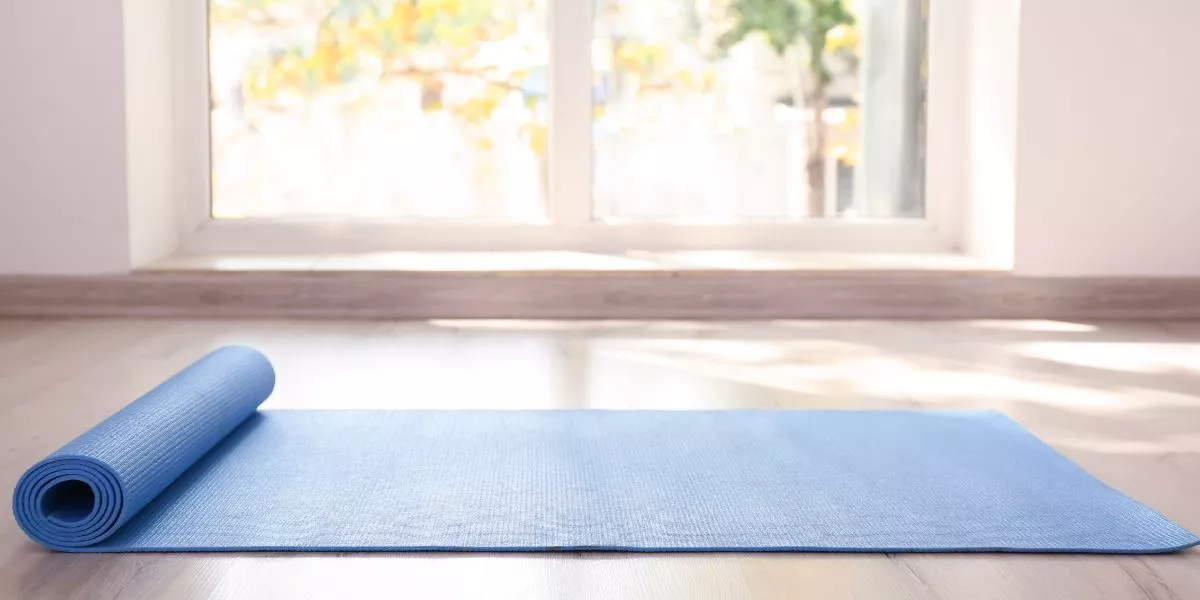
When choosing the right yoga mat, you need to focus on elements like thickness, material, grip, and portability. Ensuring the mat offers proper support for your practice is key, but that's just the beginning. The material composition can impact your experience on the mat, while grip and traction are vital for stability during poses. And let's not forget about the convenience of portability and storage features. Making the right choice involves a balance of these factors for a harmonious yoga session.
Thickness and Density
When selecting a yoga mat, consider the thickness and density to ensure proper support and comfort during your practice. The thickness of a yoga mat plays a crucial role in providing cushioning for your joints and bones. Mats that are too thin may lead to discomfort during poses that require you to be on your knees or lying down. On the other hand, mats that are too thick might make you feel unstable during standing poses. Aim for a balance that suits your specific needs and preferences.
Density is another essential factor to contemplate. A mat with higher density offers better support and durability, ensuring that it maintains its shape and structure over time. Mats with lower density may wear out more quickly, leading to a less stable practice surface. By choosing a mat with the right density, you can enhance your overall yoga experience and practice with confidence.
Material Composition
For optimal performance and comfort during your yoga practice, it's crucial to carefully consider the material composition of your yoga mat. The material of your yoga mat can significantly impact your overall experience on the mat.
Common materials used in yoga mats include PVC, TPE, rubber, and cork. PVC mats are durable and provide excellent grip, but they aren't eco-friendly. TPE mats are a more environmentally friendly option that still offers good cushioning and grip. Rubber mats are natural and provide fantastic traction, making them ideal for hot yoga. Cork mats are also eco-friendly, antimicrobial, and offer a non-slip surface that improves with moisture, perfect for those with sweaty palms.
Consider your priorities – whether it be eco-friendliness, durability, or grip – when choosing the material composition of your yoga mat. Each material has its unique benefits, so select one that aligns with your preferences and yoga practice needs.
Grip and Traction
Considering the material composition of your yoga mat, the grip and traction it provides play a key role in enhancing your practice. When selecting a yoga mat, be sure to prioritize grip and traction to prevent slipping and ensure stability during different poses and movements.
A mat with a textured surface or non-slip material can help you maintain your balance and focus on your practice without worrying about sliding around. The grip of your yoga mat is particularly important for styles like hot yoga or power yoga, where you may sweat more and need extra traction to hold your poses securely. Additionally, good traction can also support proper alignment and help you transition smoothly between poses.
Before purchasing a yoga mat, test its grip by placing your hands and feet on the surface to see how secure you feel. Opting for a mat with excellent grip and traction will enhance your overall yoga experience and allow you to advance in your practice with confidence.
Portability and Storage
To ensure ease of transport and convenient storage, assess the portability features of your yoga mat. Look for mats that are lightweight and easy to roll up or fold. Mats with carrying straps or bags make it simple to sling over your shoulder or carry in your hand. This way, you can easily take your mat to yoga classes, the park, or wherever you choose to practice.
Consider the thickness of the mat as well. Thicker mats provide more cushioning but can be bulkier to transport. If you prioritize portability, opt for a thinner mat that still offers adequate support for your practice. Additionally, mats that are easy to clean and quick to dry are ideal for those who are constantly on the go.
When it comes to storage, think about where you'll keep your mat when it's not in use. Mats that can be easily rolled up and tucked away in a closet or under your bed are great space-saving options. Some mats even come with storage bags that help keep them clean and protected when not in use. Choose a mat that fits your lifestyle and storage space to ensure convenience and longevity.